SENTIMENTAL RUMINATIONS
There are few things that can set me into the crotchety parlance of “they don’t make ‘em like they used to” quicker than watching an old episode of network television. When I write “old,” I mean the show debuted at least 15 years ago and “network,” indicating channels accessed by a mere TV antenna—no subscription service required. Network TV has long been inundated with feel-good schlock and cop shows but many of these past programs were at least written with an understanding that they would be viewed and the assumption that the masses, however unrefined, held basic skills in media literacy. Presently it seems premium and network channels alike broadcast a growing disdain for audiences as writer rooms have shrunk and streaming conglomerates like Netflix churn out productions not meant to be watched as much as they’re meant to serve as background fodder to online shopping as Will Tavlin wrote for n+1.
One of my favorite network television sub-genres of yore is the teen soap opera. I may be in the minority of viewers wistful for shows in which adolescent characters were played by actors obviously old enough to be enrolled in a PhD program. The high school settings may not depict authentic day-to-day lives of teenagers but they are a practical environment to tease out melodramatics. With seasons that spanned months rather than a few weeks, sitcoms like Boy Meets World and Moesha and dramas like Dawson’s Creek, Gossip Girl, and One Tree Hill, aired episodes timed to align with calendar holidays.
Last Thursday, as I prepared for the day’s festivities, I put on the first Thanksgiving episode of The O.C. A primetime drama centered on a troubled teen, Ryan Atwood (Ben Mackenzie), from Chino, California who’s taken in by a wealthy family in Orange County, The O.C. encapsulated—and helped create—the fashion and popular music of the mid-aughts. The show also catapulted Adam Brody, who played so-called emo Seth Cohen and only son of Ryan’s benefactors, Sandy (Peter Gallagher) and Kirsten (Kelly Rowan) to stardom. I used to assert that the less watched One Tree Hill was superior to The O.C., perhaps biased toward the former as it featured Gavin DeGraw’s “I Don’t Want to Be” for its theme and an awkward multi-episode cameo from Pete Wentz.
I hereby repent.
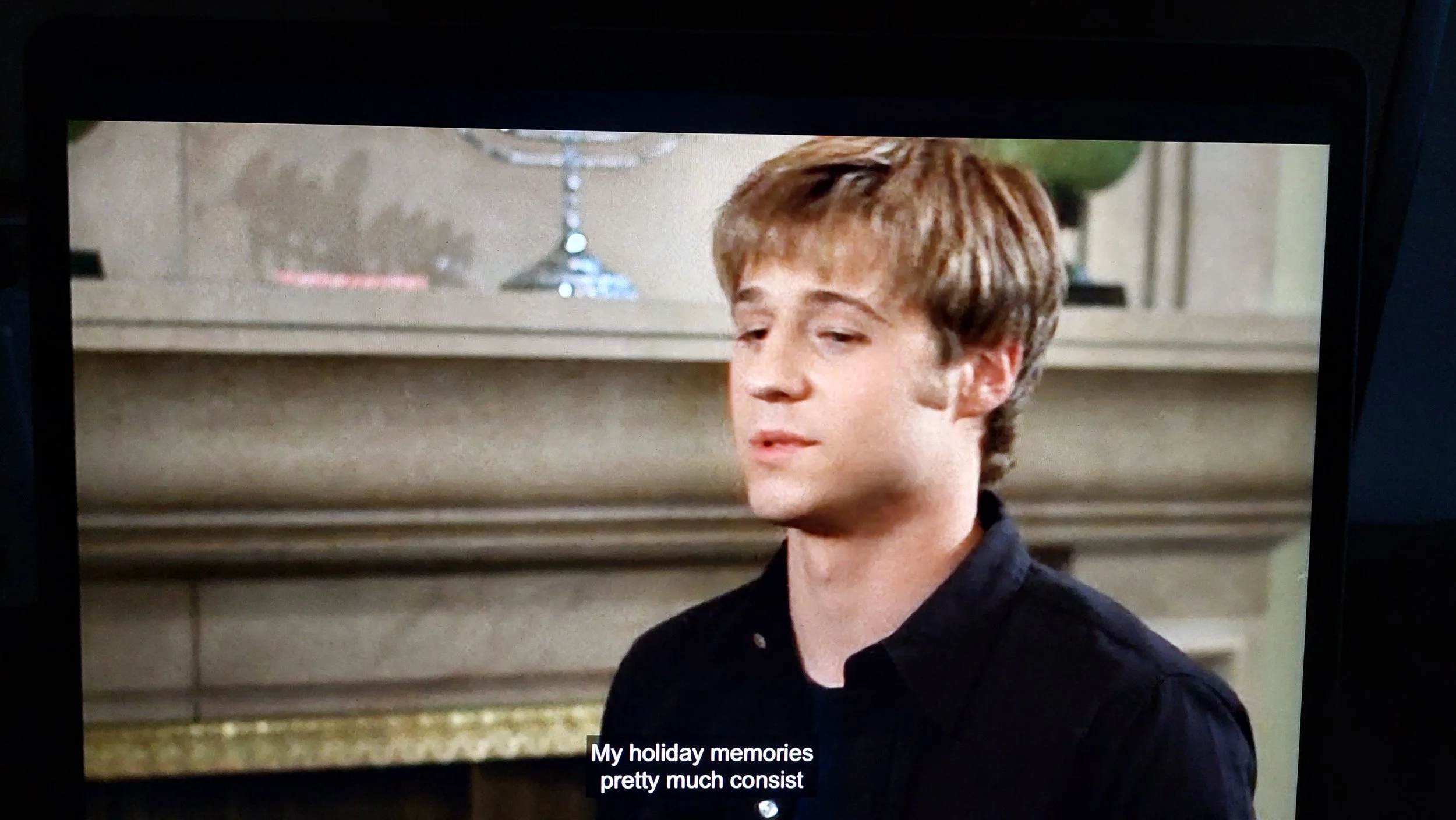
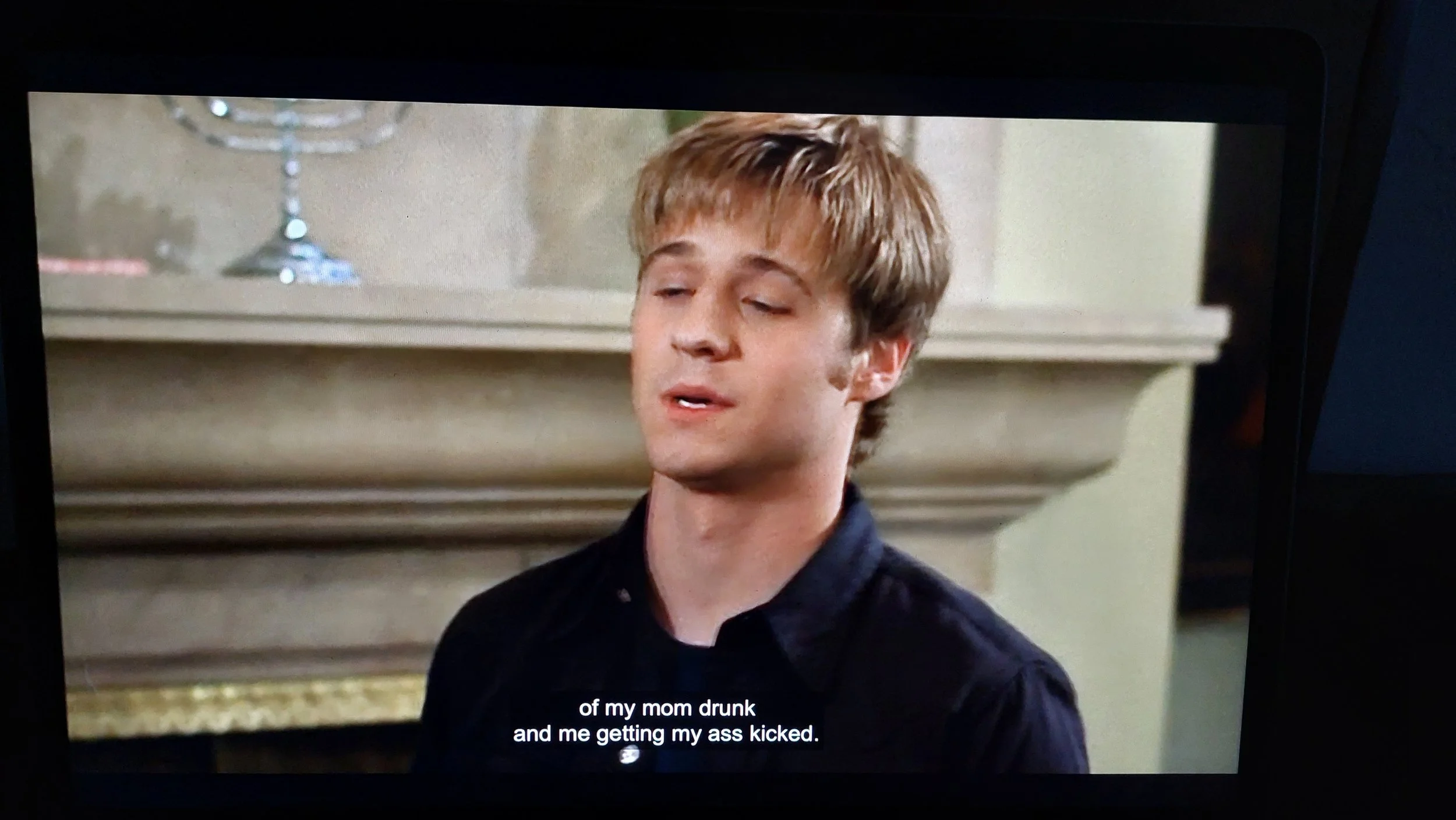
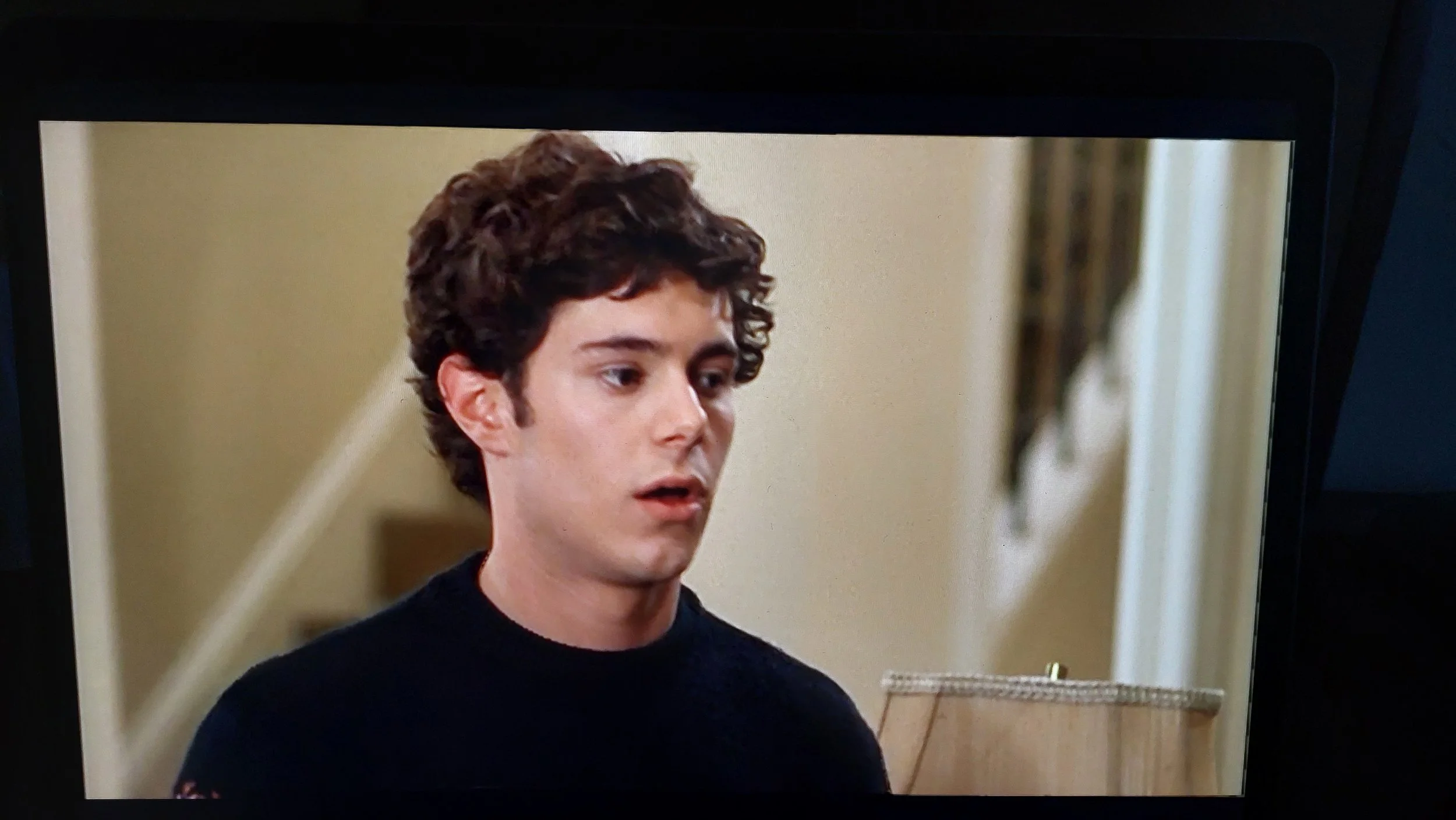
It’s the brooding Ryan’s story that anchors the show’s first season but Brody’s performance as Seth (for which, women and people everywhere give thanks) sets The O.C. apart from its peers with his much purported improvised dialogue. The first episode I recently elected to watch, “The Homecoming,” largely revolves around Seth’s love triangle with Anna (Samaire Armstrong) and Summer, played by then real-life girlfriend, Rachel Bilson, when both girls show up for Thanksgiving dinner at the Cohen home. It’s not only quips delivered with a snark and charm that endear the audience to Seth. His immediate acceptance of Ryan, who he registers as a lifeline amidst social isolation from most of his peers, drives their stories forward as he meshes Ryan’s unruly life into his own. In a later episode, Seth introduces Ryan to his invented holiday Chrismukkah, an amalgamation that melds the Jewish heritage of Sandy with the blonde secularism of Kirsten. The presentation is a bid to further induct Ryan as a formal member of the family, signaling that his presence is as crucial as any of the Cohens.
As Seth juggles his romantic interests in “The Homecoming,” Ryan returns to Chino to visit his incarcerated brother, former friends, and also ends up juggling romantic interests—the girl next door to the Cohens, Marissa Cooper (Mischa Barton), and former neighbor and flame Theresa (Navi Rawat). A recurring theme in The O.C. is Ryan’s struggle to integrate into Newport Beach’s social caste. While we learn that much of the picturesque lives of the rich adults and carefree teens who drive range rovers are facades, an upbringing in a poor neighborhood still makes him an anomaly. Ryan knows his position with the Cohens is precarious. This is made legible when Sandy and Kirsten ponder if they made the right choice by sheltering him and even when they assert that he ism after-all, “a good kid.” A kid that is afflicted by external circumstances is one thing, but to appear intrinsically distressed would be too much.
As a child I had a knack for ingratiating myself into my friends’ families, with parents expecting me for dinner and putting out blankets in case I decided to stay the night. The skill became my own lifeline when, like Ryan Atwood, my housing became unstable. I’ve written elsewhere about the discomfort of living long term as a guest, however welcomed, in someone else’s home. Because it’s television, which we are to always be reminded is not real life, the articulation of Ryan as poor is hamfisted and often lacks nuance. He is a humorless boy with a heart of gold, exhibited by his desire to rescue downtrodden girls. Despite the clichés, Mackenzie’s performance of Ryan—his apparent discomfort with affluence, his uncertainty of how to exist in the Cohen’s house, his straddling of a new life and the past with which he’s more familiar—is, at times, resonant.
*
After watching a few episodes of The O.C., I went to Thanksgiving dinner at my friends’, Carla and Joey, home. Carla is the sister of my friend Bayley, who I lived with for many years along with our friend Mika, who I still live with. Mika, who is primarily though not exclusively from Chile, was at dinner along with her younger brother and father who are both Serbian. Also in attendance from New England were Carla and Bayley’s mother, one of their brothers, and his sons. After dinner, we all convened for dessert at Bayley’s house where she now lives with (Emily) Smucker, who had hosted her native New Yorker family’s dinner with her parents, sister, and toddler nephews. Though all of my own relatives were in Ohio, my niece, eager to witness my life in New York, made an appearance via FaceTime.
After introductions and explanations of who is related and connected to who, we settled into the second half of the evening accompanied by pie, limoncello, and Nicholas Cage’s howls in Moonstruck. Watching the interactions between the multi-generations of people, some of whom were strangers to each other before the day, I thought we were fitting for a sitcom. In TV, unlikely characters are thrown together for plot convenience (why would Ryan be at the bachelor party of Caleb, Seth’s grandpa and someone he barely shares screen time with?) But the motley assembly of people in the room with me could be seen as a non-exhaustive account of crucial connections made over the course of living the past decade and change. These were years of a sort of second adolescence imbued with crushes and heartache, grief, rifts and reconnections. If you’re reading this, chances are, you’re a feature of that network in some way or another.
As a kid I was embarrassed to learn that one can very well overstay their welcome even when greeted with sincere platitudes of make yourself at home and stay as long as you need. Yet the intimacy I felt and experienced with those who housed, fed, reprimanded, and loved me was still familial even if it was not always lasting. We’re frequently reminded that there is an epidemic of loneliness, but we’re also encouraged to think of family as fixed, tied to bloodlines and ancestry. I’ve come to understand that family can be transient, mutable, and numerous—why only have one if there’s a choice to be conjoined to several?
At the end of dinner, someone had suggested that everyone state what they’re thankful for and because it was real life and not television, the request was met with groans. Shows are filled with characters making supposedly impromptu declarations ( such as Seth Cohen’s “acknowledge me now or lose me forever”) and saccharine speeches that are difficult for actual people to deliver spontaneously.
If I could return to the moment or had it been a scene, I might have provided a more thoughtful response than being thankful to the motion picture Rent (which I also watched earlier that day). I might have instead given a toast. A toast to learning to cook soul food with vegan options; to non-parental caretakers; to leaving (but loving) the midwest; to fathers who are more like mothers; to impermanence; to surviving your twenties; to domestic partnership; to reunions; to television despite its ills and, not least of all, to The O.C., bitch.